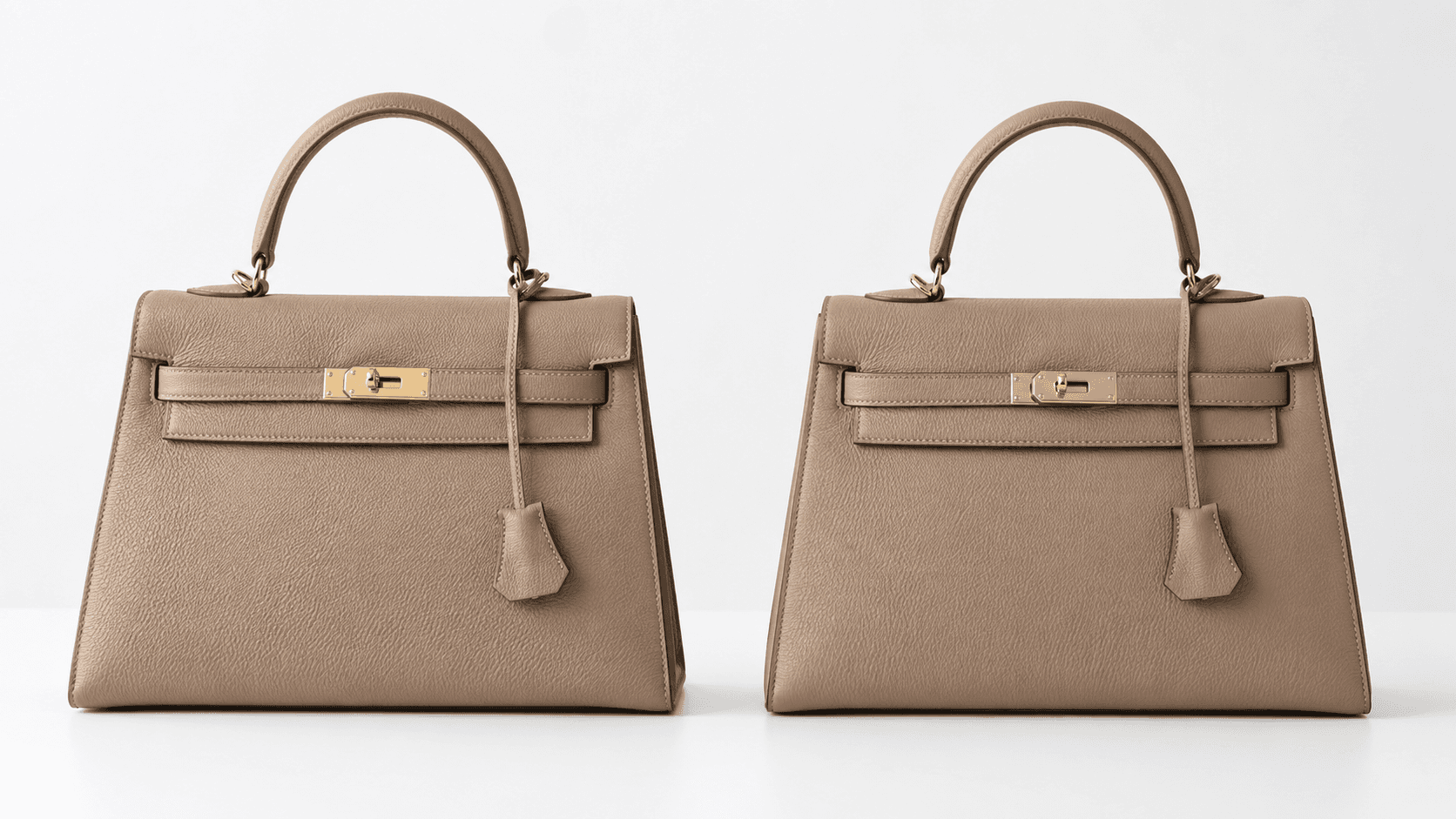
The dupe is not new. Knockoffs have existed as long as luxury goods have. What is new is the quality gap closing to the point where the imitation is functionally indistinguishable from the original — and the consumer's willingness to buy the dupe openly, without embarrassment, sometimes even as a point of pride. That combination changes something fundamental about what luxury is and what it is for.
The luxury industry's business model has always rested on two pillars: quality and exclusivity. The quality argument has always been somewhat overstated — the markup on a high-end handbag is not proportional to the difference in materials or construction. The real premium is the exclusivity, the signal, the admission that the object is not for everyone. When the dupe removes the visual distinction, it destabilizes the exclusivity argument without doing anything to the original object.
The brands that are suffering most are the ones that were already living on signal more than substance. A logo-heavy product whose primary value is communicating that you paid for it has nowhere to go when the logo can be replicated for forty dollars. The brands holding up are the ones whose value is genuinely experiential — the craftsmanship that feels different in the hand, the fit that comes from better construction, the detail that you only notice because you know what to look for.
The person buying the dupe is making a rational choice given their values, but there is a real cost that the dupe economy does not advertise. The object does not carry the same weight. Not socially — everyone who matters can eventually clock the difference — but personally. The thing you own cheaply tends to be treated cheaply. The bag you saved for occupies a different psychological space than the one you found on a discount site. That is not snobbery. It is how humans relate to objects they have invested in.
What the dupe economy actually signals is that a generation of consumers has decided that visual status signaling is not worth the original price. They want the look without the investment because they have concluded the investment is not justified. That is a legitimate conclusion. It is also a statement about the luxury industry's failure to communicate genuine value beyond the logo.
The honest version of this conversation is that most people buying luxury goods were always buying the signal, not the object. The dupe economy just made that visible. The question for anyone navigating this is what they actually want — the object for what it is, or the signal for what it communicates. Those lead to different purchasing decisions, and being honest about which one you are making is more useful than pretending they are the same.