It is nine o'clock on a Thursday night and the parking lot at Aberdeen Centre in Richmond is full. Not full in the way Canadian shopping malls are full on a Saturday afternoon — full in the way that suggests something is actually happening inside that people specifically came for. The anchor stores closed two hours ago. The food court is at capacity. There is a line outside a Taiwanese dessert shop serving shaved ice topped with mango and condensed milk that a downtown Vancouver restaurant would charge eighteen dollars for. Here it costs seven.
The case for Richmond as the Lower Mainland's most interesting food destination is not a new argument. Food writers have been making it, in various forms, for two decades. The argument persists because the reality persists, and because the gap between what Richmond's food scene is and what gets written about it in the general press has not meaningfully closed.
The issue is partly structural. Richmond's best restaurants are distributed across strip malls, food courts, and indoor markets in a way that does not photograph well, does not lend itself to the intimate twelve-seat dining room narrative that food media loves, and does not serve the kind of aspirational dining story that gets traction with the press's primary audience. A hand-pulled beef noodle soup that takes four hours to make and costs twelve dollars does not have a publicist.
What it does have is regulars. Every serious restaurant in the Richmond circuit runs on repeat business from a customer base that has been coming for years and in some cases decades. These are not destination diners. These are people for whom this is simply the food they grew up with, prepared the way they expect it to be prepared, by people who care whether it is correct.
The regional diversity is what still surprises people who haven't done the work. Richmond is not a 'Chinese food' destination in the monolithic sense. It is a Cantonese food destination and a Shanghainese food destination and a Sichuan food destination and a Hong Kong-style café destination and a Chiu Chow destination. These are different cuisines with different techniques, different flavour profiles, and different cultural meanings. The distinction matters in the same way the distinction between French and Italian food matters — obvious to people from those cultures, frequently invisible to outsiders.
The night market, running through the summer months, has grown into one of the most-visited events in the Lower Mainland and draws visitors from across Metro Vancouver who come specifically to eat. The quality varies, as it does at all street food events. But the floor is high — even the average stall at the Richmond Night Market is serving food that is more interesting and better value than most of what you'll find at comparable events in other cities.
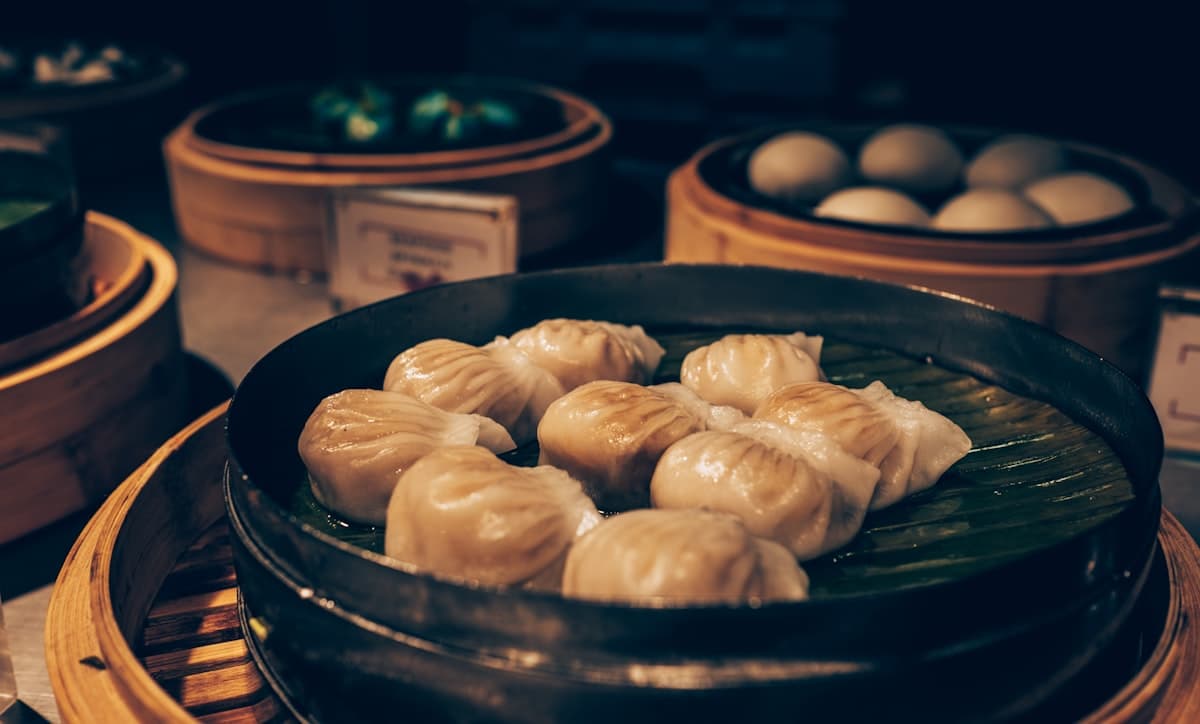
The honest question for anyone who cares about food in Vancouver is this: how often do you actually go? Not to the same three restaurants you already know. To the parts of Richmond you have not been to. To the food court at Parker Place on a Sunday morning when the dim sum carts are running. To the noodle shops along No. 3 Road with no English signage and no Google reviews and no ambient lighting. That food exists. It is available. It requires you to show up.
Richmond's food scene does not need coverage to survive. It has been surviving for decades without much of it. But the people missing out are the ones who have decided the best dining is somewhere else and have never made the drive. That is their loss. It is a significant one.