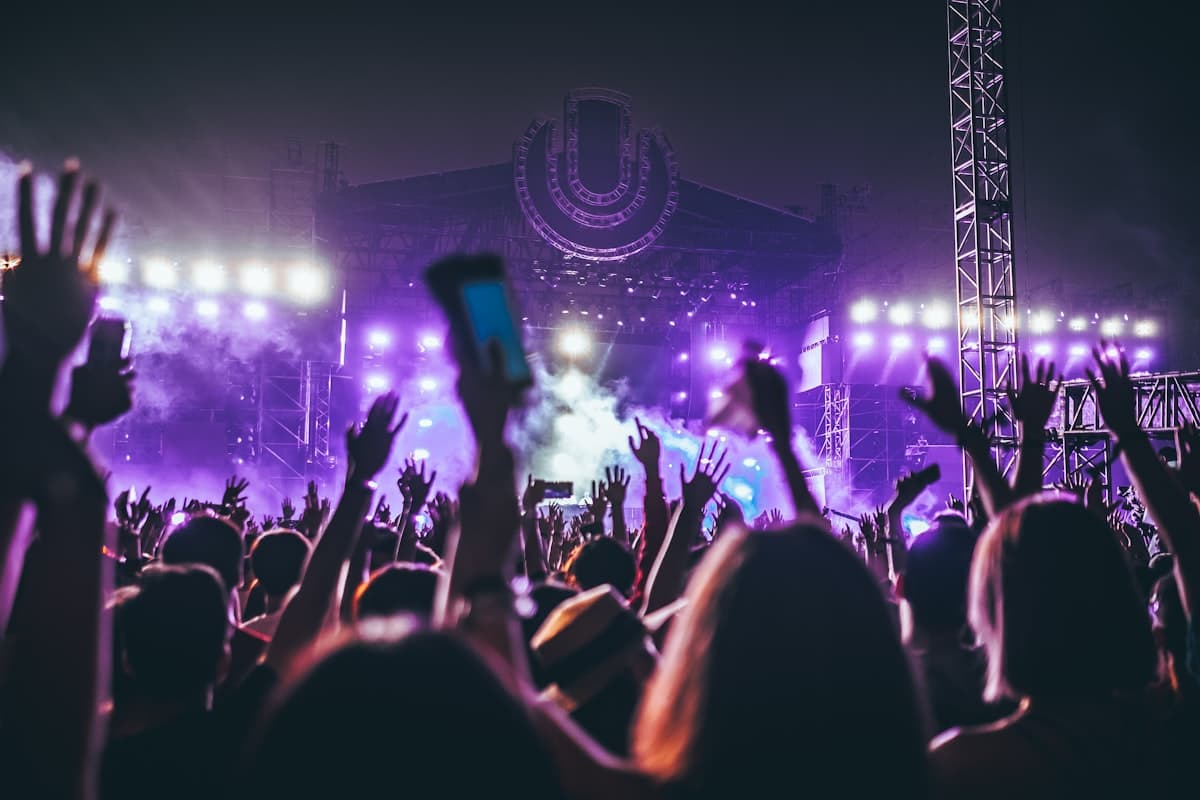
There is a moment that happens in a stadium when something shifts. You feel it before you hear it. The crowd pulls a breath at the same time, and then sixty thousand people release it all at once, and the sound is less like noise than like weather. Like something atmospheric happening that has nothing to do with human intention. You are inside it before you understand what it is.
BC Place has been making that sound all month.
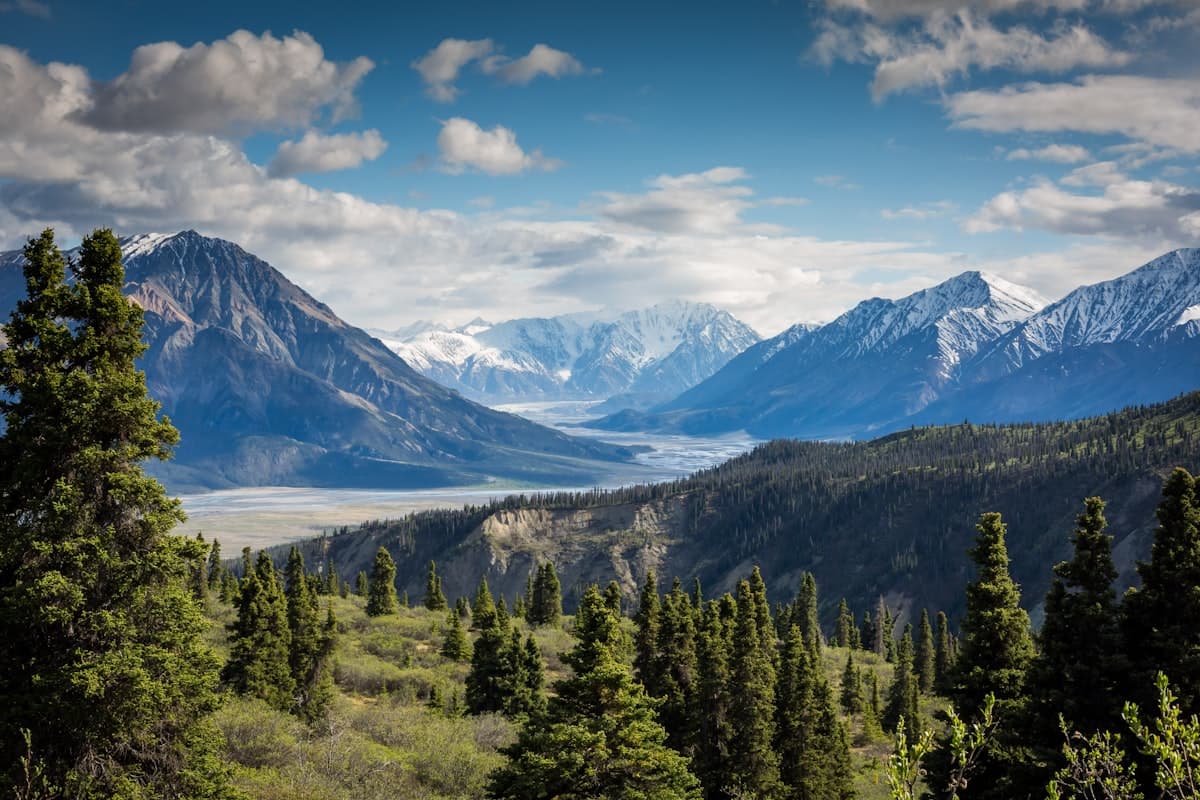
The 2026 FIFA World Cup landed in Vancouver like a reminder that the city had been underselling itself for years. Everything locals have always known — the harbour, the mountains, the cultural density, the food, the sheer physical beauty of a place that sits between ocean and forest and somehow also contains a functioning international metropolis — all of it suddenly became the backdrop for the most watched sporting event in human history. The cameras found us. The world showed up. And Vancouver, to its considerable credit, did not flinch.
Walk downtown on a match day and the city is unrecognizable in the best possible way. Robson Street is a river of jerseys — Brazil yellow and Argentina sky blue, Morocco red and Japan blue, Portugal crimson and Germany white and flags from nations that most Vancouverites would struggle to place on a map. The languages change every half block. A family from Senegal navigating Granville. A group of Mexican supporters taking over a patio on Davie. Australians, Iranians, Dutch, Uruguayan, Korean — all of them here, in this city, this summer, because the world decided to come.
BC Place itself has been transformed into something it has never quite managed to be before: a proper football cathedral. The stadium seats approximately fifty-four thousand for World Cup configuration, and it has been full or near-full for every group stage match. The atmosphere — which, if we are being honest, has not always been BC Place's strongest suit during domestic events — has been extraordinary. The supporter sections generate noise that rolls through the building and makes the roof feel like it matters. The open-roof configuration for warm summer matches has let the sound out and let the mountain air in, and the effect is of a stadium that is also somehow connected to the sky.
The group stage has delivered. The matches hosted here have ranged from disciplined tactical affairs to the kind of chaotic, end-to-end football that produces lifelong memories and makes you understand why four billion people watch this sport. Watching genuine world-class players move the ball at full speed in a space this intimate — stadium football is close in a way that television does not communicate — recalibrates your understanding of what athletic excellence actually looks like. These are the best players on earth doing the thing they do best. And they are doing it here.
The fan villages have taken over the waterfront in a way that makes you realize how much Vancouver has been leaving on the table in its public spaces. Live music. Street food from a dozen countries. Big screens for matches not at BC Place. Kids in tiny kits sprinting around plazas that are normally politely empty. The energy is the kind that cities spend decades trying to manufacture through urban design consultants and activation strategies and public art commissions — and it has arrived spontaneously, organically, because the world decided this city was worth the flight.
There is a Vancouver that is reserved and slightly apologetic about its own ambition. It exists — the version of the city that prefers things quiet and a little damp and safely modest about what it has to offer. That Vancouver has been completely absent this month. In its place is a city that has been hosting the planet and discovering, apparently with some surprise, that it is extremely good at it.
The economic numbers will take months to compile fully. Estimates put the spending impact of a full World Cup host city tenure in the range of hundreds of millions of dollars in direct visitor expenditure, with multiplier effects through accommodation, food, transport, and retail that extend well beyond the stadium footprint. Hotels have been at capacity. Restaurants have been turning tables they did not know they had. The short-term rental market has been completely absorbed. The city's tourism infrastructure has been stress-tested and, broadly, has passed.
But the thing that will last longer than the economic study is harder to quantify. Something happened to Vancouver's sense of itself this month. The city had an idea of what it was, and then sixty thousand people from sixty countries showed up and reflected something back that was bigger than the idea. The world came here and liked what it found. Loved it, in some cases. Posted about it. Told people back home.
Vancouver already knew it was beautiful.
The World Cup told it something else.
It told it that beautiful is enough to stop the world in its tracks.
The group stage is not finished. The knockout rounds are still ahead. BC Place has more matches to host, more crowds to fill it, more moments to make.
Go. Even if you do not love football. Especially if you do not love football.
You will leave understanding something about what cities are for that you did not know when you walked in.