Every serious food city has one thing it does better than almost everywhere else outside the country of origin. In New York it is pizza and bagels. In San Francisco it is sourdough and Cantonese. In Los Angeles it is Mexican food. In Vancouver it is Japanese food, and if you have not been paying attention to what is happening here in the last five years, the gap has widened considerably.
The foundation was built decades ago. The Japanese Canadian community in Vancouver has roots going back to the early twentieth century, and the food traditions that came with those communities have had time to develop, adapt, and in some cases become something genuinely their own. Vancouver's sushi culture is not a trend from the 1990s. It is a living tradition with real depth.
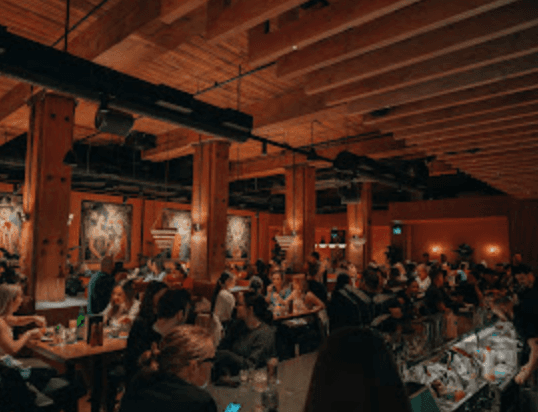
What has happened more recently is the arrival and establishment of restaurant formats that go well beyond what most North American cities think of when they think of Japanese food. The izakaya has been present in Vancouver long enough that the first generation of izakayas here are now the established old guard, and a new generation has opened that is more experimental, more specific about regional Japanese traditions, and more interested in sake as a serious category.
The ramen situation deserves direct attention. Vancouver's ramen scene is one of the strongest in North America. The comparison point is not other Canadian cities but specific neighbourhoods in Los Angeles and New York, and on that comparison Vancouver holds up. The depth of the broth tradition here — the regional variations, the commitment to the hours of preparation that a proper tonkotsu or shoyu broth requires — reflects something about the culinary culture of this city.
The Japantown corridor along Powell Street in East Vancouver is the historical centre of this, though the restaurants have spread through the whole city. What is notable about the best Japanese restaurants in Vancouver is that they tend to be run by people who take the original thing seriously — not as a template for fusion or an excuse for high prices, but as a form worth getting right. The standard you encounter at a serious ramen shop or a well-run izakaya here is the same standard you would encounter in Japan.
The sake programs at the better rooms represent an area of genuine expertise not yet fully reflected in the broader food press. A good sake pairing for a Japanese meal changes what you are eating in the same way a good wine pairing does for European food. Vancouver has the restaurants and staff who can do this properly. Most people are still ordering beer.
The practical recommendation: if you have been eating at the same Japanese restaurant in your neighbourhood for the last five years, you are missing a significant portion of what this city actually has to offer in this category. The expansion of formats and quality makes Japanese food in Vancouver a subject worth exploring deliberately.
It is the one thing this city does as well as anywhere in the world. It deserves to be taken seriously.