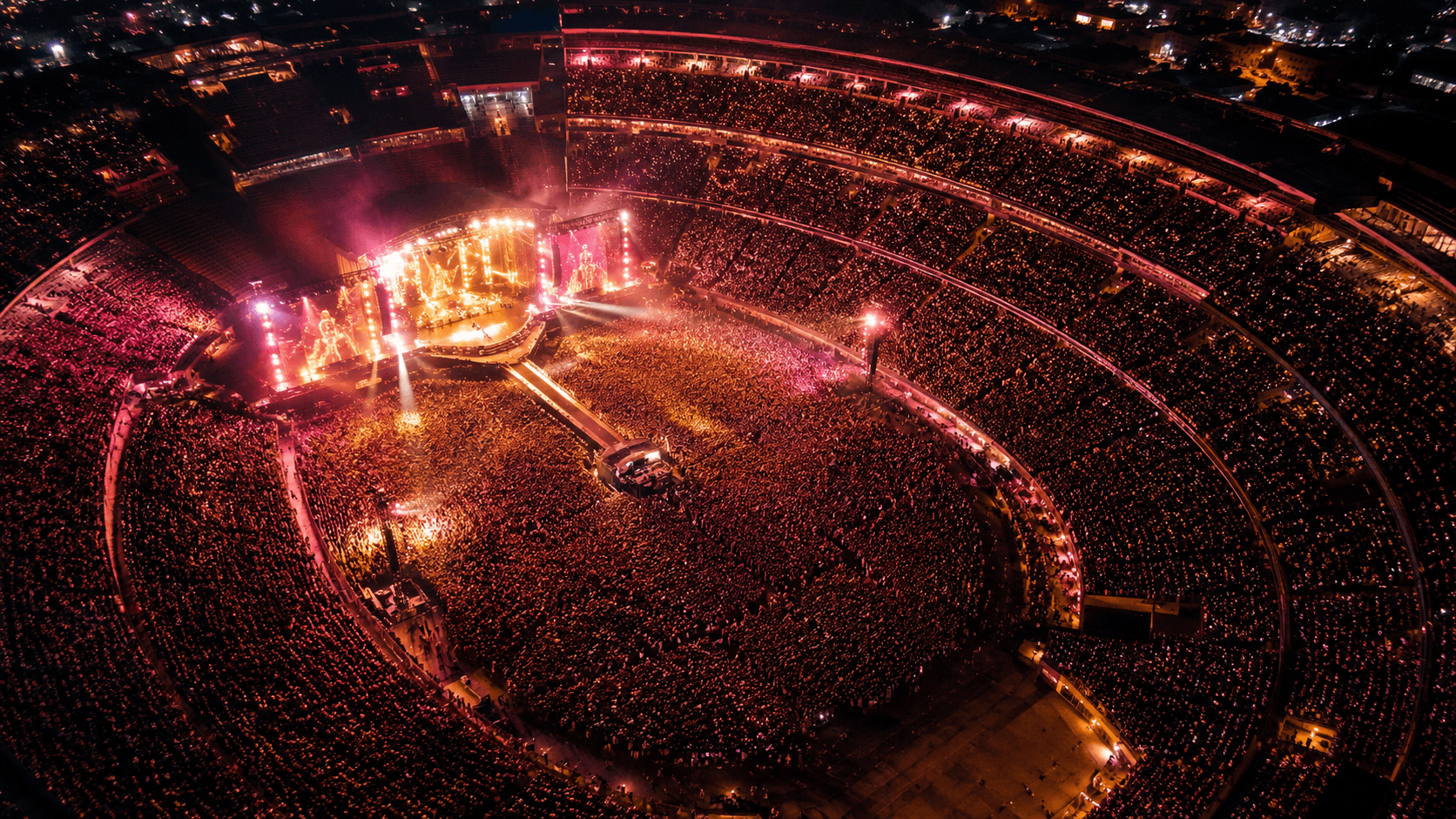
The Eras Tour generated over a billion dollars in gross revenue. It broke records in every city it visited. It contributed meaningfully to the GDP of multiple countries — a fact that sounds like a joke but was confirmed by actual economists. If you want to understand what a perfectly executed fan relationship looks like in 2024, this is the case study. The playbook is sitting right there.
What Taylor Swift built is not a fan base. It is a community with its own economy. Eras-themed friendship bracelets traded at concerts. An entire vocabulary developed around album eras, Easter eggs, and lore. Fans organized meetups, created content, and arrived at shows that lasted three and a half hours dressed for the specific album era they wanted to represent. The product was the concert. The experience was membership in something.
The mechanism is identity. The most powerful thing a brand can do is give its audience an identity to wear. Not just something they buy — something they are. Swift's audience does not just like her music. They are Swifties, and that noun carries weight. It signals taste, community membership, and a shared set of references. This is what every cult brand from Supreme to Patagonia to Peloton figured out before the general market did. The product is the entry point. The identity is the product.
Small businesses and founders dismiss this because they think it requires the scale of a global pop star. It does not. It requires a point of view, a community worth belonging to, and the consistency to show up for that community over time. The founder who writes honestly about building a company in public, who responds to comments, who shares the failures alongside the wins — that person is building the same mechanism at a smaller scale. The conversion rates are real. The loyalty is real.
The Easter egg strategy is worth studying separately. Swift has trained her audience to look for hidden messages — in album covers, in lyrics, in Instagram posts. The result is an audience that pays attention to everything she puts out, that actively engages with it rather than passively consuming it, and that feels rewarded for that attention. The practical translation for any business is: give your best customers reasons to pay close attention. Reward loyalty with access, with information, with something that is not available to everyone.
The re-recording project — re-releasing her back catalog as Taylor's Version to reclaim ownership of her masters — is the most underrated business move in the story. She turned a legal and commercial dispute into a movement. Her audience responded by streaming the new versions, refusing to engage with the originals, and converting what could have been a loss into an expansion of their own investment in her cause. She did not just have fans. She had people who were rooting for her to win a specific business outcome.
Your business does not need a billion-dollar tour. It needs an audience that feels like they are part of something real, that is rewarded for their attention and loyalty, and that has a genuine reason to keep showing up. That mechanism scales down to any size. The question is whether you are building it.